German–Latvian Port Forum: Baltic corridors
EFFIMODAL at the German–Latvian Port Forum: ports, policymakers and industry on resilient, secure and sustainable supply chains across the Baltic Sea.
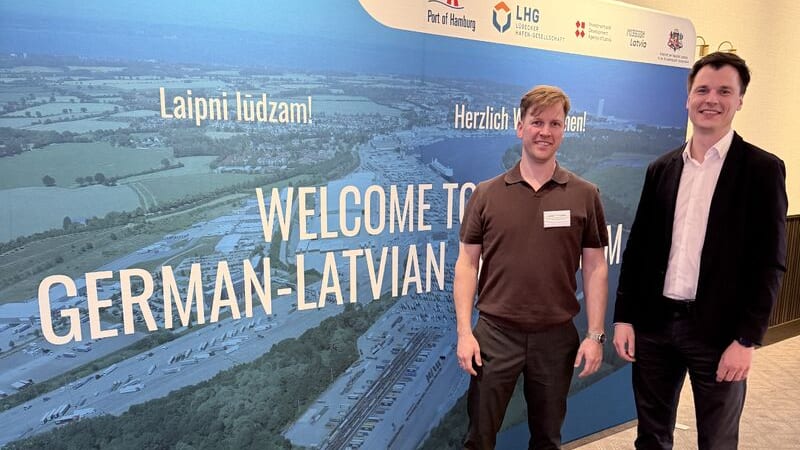
EFFIMODAL was proud to be invited to the German–Latvian Port Forum — a continuation of the strong regional dialogue shaping the future of European logistics.
The forum brought together ports, policymakers and industry leaders from Hamburg, Lübeck, Riga and beyond, and highlighted a clear direction: building resilient, secure and sustainable supply chains across the Baltic Sea region.
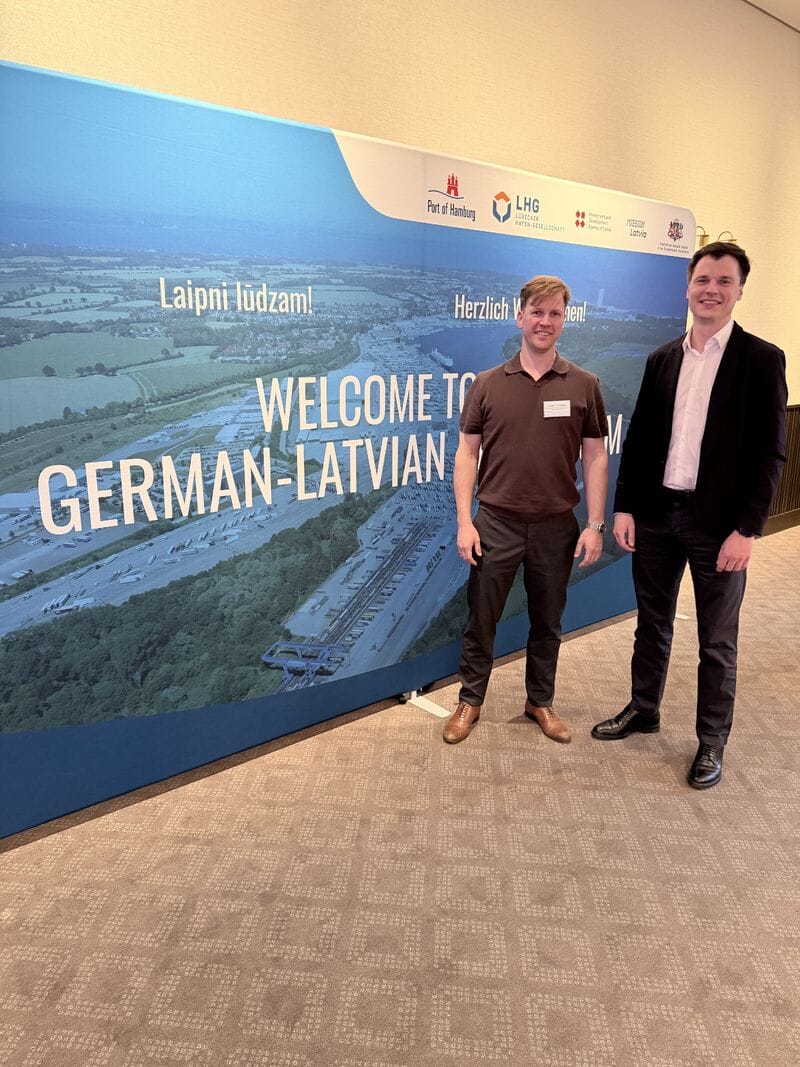
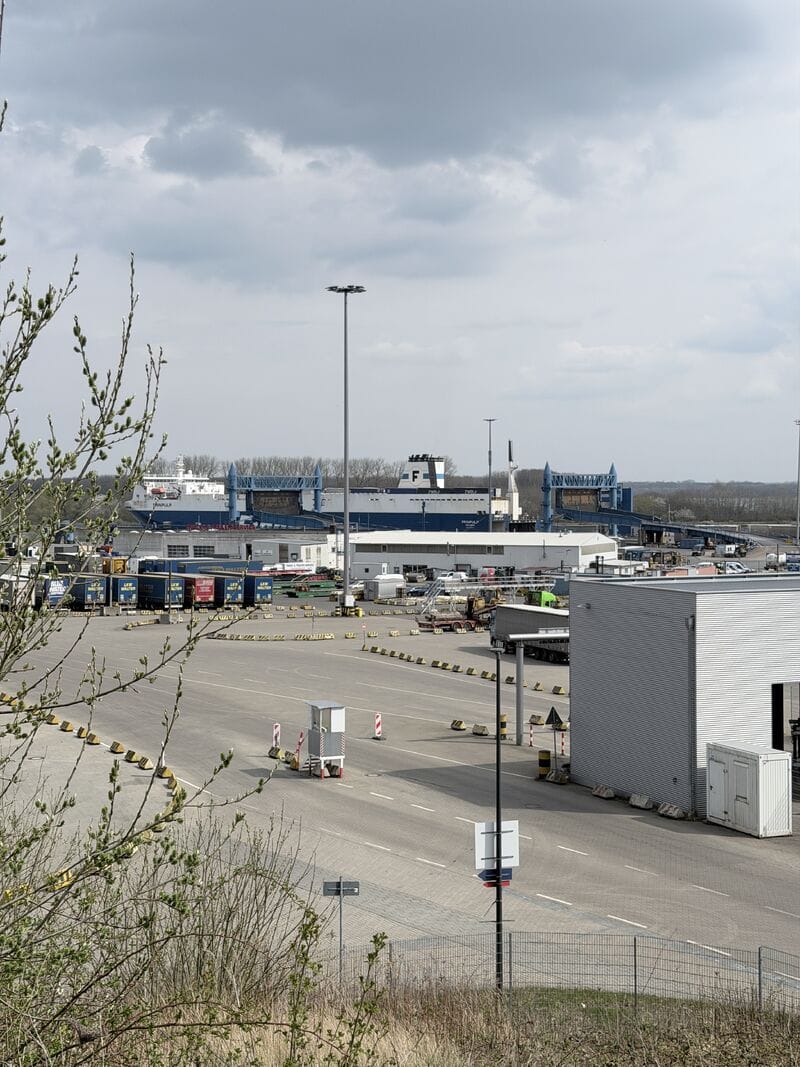
Not just strategy — our daily operation
For us, this is not only a strategy topic. We work directly with this infrastructure, moving cargo every day through maritime and rail corridors and supporting the transition away from road-heavy logistics. The discussions about connectivity, port integration and customer-driven supply chains reflect exactly where we see the market evolving.
What stood out
- Ports are no longer just gateways — they are strategic assets.
- Intermodal connectivity is becoming the backbone of resilient logistics.
- Collaboration between regions is accelerating real change.
Making the shift tangible
Our role is to turn this direction into real cargo flows. By connecting shipments with port and rail infrastructure, we help our partners reduce emissions, improve efficiency and build more future-proof logistics chains between Germany, the Baltics and Scandinavia.
Thank you to the organisers and to the organisations shaping this dialogue — Lübecker Hafen-Gesellschaft, Port of Hamburg Marketing, LIAA, Stena Line, Finnlines, DFDS and TT-Line.
The direction is clear — and it is happening now, across the Baltic Sea. Looking for a route via Lübeck or Hamburg to the Baltics? Contact us.
Originally shared on LinkedIn — follow Effimodal for more updates.
Shift your freight to intermodal
Tell us your route and volumes — we'll come back with a combined transport offer, including a CO₂ estimate for your lane (EcoTransIT World, ISO 14083 methodology).
Get a Quote →